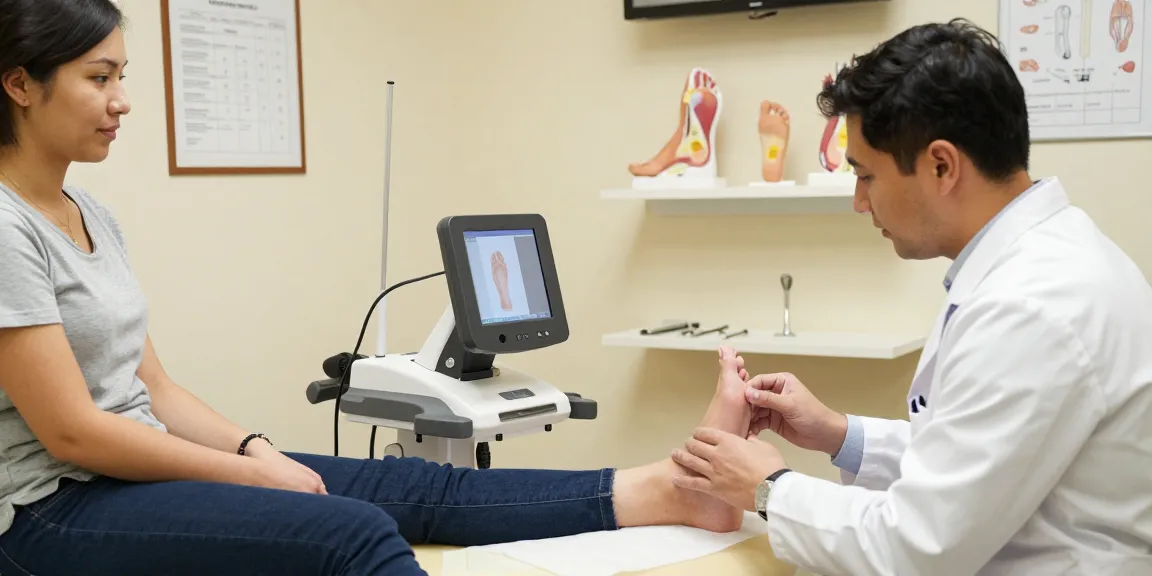
Understanding Podiatry Equipment Essentials
Podiatry is a specialized field focused on diagnosing and treating foot and ankle disorders. The quality and effectiveness of care provided by podiatrists heavily rely on the tools and instruments used during treatment. As podiatry continues to evolve, understanding the fundamental aspects of podiatry equipment becomes increasingly essential for practitioners aiming to enhance patient outcomes and streamline their practices.
What Is Podiatry Equipment?
Podiatry equipment includes various tools and devices designed specifically for the treatment, diagnosis, and rehabilitation of foot and ankle conditions. This can range from simple examination tools like reflex hammers and tuning forks to more complex machinery such as laser therapy devices and orthotic fabrication systems. The right equipment not only aids in accurate diagnosis but also facilitates effective treatment plans tailored to individual patient needs.
Key Types of Podiatry Equipment
- Diagnostic Tools: These include tools such as goniometers, digital foot scanners, and pressure mats, which help podiatrists assess foot structure and function.
- Treatment Instruments: This category encompasses surgical instruments, such as scalpels and forceps, as well as therapeutic devices like ultrasound machines and cryotherapy units.
- Orthotic Devices: Custom and over-the-counter orthotics assist in correcting foot mechanics and providing support, thus aiding in pain relief and injury prevention.
- Pedorthic Equipment: This includes footwear modifications and specialized shoes that accommodate foot deformities and provide comfort for patients.
Importance of Quality in Podiatry Tools
The quality of podiatry equipment is paramount. High-quality tools lead to improved patient outcomes and increased efficiency in practice. Investing in reliable equipment can also reduce long-term costs associated with frequent replacements or repairs and enhance the safety of procedures performed. Furthermore, utilizing top-tier equipment can foster trust and satisfaction among patients, who often rely on the expertise of their podiatrist.
Common Challenges in Choosing Podiatry Equipment
Identifying Your Practice Needs
Selecting the right podiatry equipment begins with a clear understanding of the specific needs of your practice. Consider factors such as the types of procedures offered, patient demographics, and existing equipment. Conducting a thorough assessment and consulting with colleagues can provide insight into the most effective tools for your practice.
Budgeting for Podiatry Equipment Purchases
Budget constraints pose a significant challenge when acquiring new podiatry equipment. It’s crucial to balance the need for high-quality tools with financial limitations. Exploring financing options, purchasing refurbished equipment, or applying for grants can help mitigate costs while ensuring you have the necessary resources to provide optimal care.
Misconceptions About Equipment Performance
Many practitioners hold misconceptions about the capabilities of certain podiatry tools, often overstating their performance based on brand or price. It’s essential to conduct thorough research, read product reviews, and seek recommendations to ensure that you are making informed decisions rather than relying solely on assumptions.
Best Practices for Effective Use of Podiatry Equipment
Routine Maintenance and Care for Longevity
Regular maintenance of podiatry equipment is essential for ensuring its longevity and effectiveness. Establishing a routine cleaning and inspection protocol can help identify issues before they escalate and extend the life of the equipment. Always follow manufacturer guidelines for care and maintenance and ensure that staff are trained in proper handling procedures.
Training Staff on Equipment Operation
Effective operation of podiatry tools relies on well-trained staff. Providing thorough training on how to use each piece of equipment can enhance safety and efficiency within your practice. Consider scheduling regular training sessions to keep staff updated on new technologies and techniques.
Integrating New Technologies in Your Practice
With the rapid advancement of technology, integrating new tools into your practice can offer significant benefits. Stay informed about emerging technologies in podiatry, and evaluate how they can improve patient care and operational efficiency. A structured approach to integrating new equipment, which includes training and gradual implementation, can facilitate smoother transitions.
Case Studies: Successful Implementation of Podiatry Equipment
Innovative Practices Utilizing Advanced Tools
Several podiatric practices have successfully implemented advanced tools to enhance their service offerings. For example, one clinic reported improved patient outcomes after integrating a digital gait analysis system, which enabled them to provide highly customized orthotic solutions, reducing treatment times and enhancing patient satisfaction.
Patient Feedback on Equipment Efficiency
Patient feedback is invaluable when assessing the effectiveness of podiatry equipment. A practice that adopted laser therapy for treating fungal nail infections documented significant improvements in patient-reported outcomes, leading to more referrals and increased patient retention.
Comparative Analysis of Traditional vs. Modern Equipment
In a recent study comparing traditional treatment methods with modern advancements, practices utilizing state-of-the-art equipment reported faster recovery times and fewer complications. Such comparisons emphasize the necessity for practitioners to remain open to adopting innovative solutions that can enhance care quality.
Future Trends in Podiatry Equipment for 2026 and Beyond
Emerging Technologies and Innovations
The future of podiatry equipment is exciting, with emerging technologies like artificial intelligence and telemedicine poised to revolutionize patient care. AI-driven diagnostic systems can enhance accuracy and speed in diagnosis, while telehealth services allow for remote consultations and follow-ups, making podiatric care more accessible to patients.
Sustainability in Podiatry Equipment Manufacturing
Sustainability is becoming a pivotal concern in healthcare, including podiatry equipment manufacturing. Firms focusing on eco-friendly materials and processes are gaining traction, catering to a market that values environmentally responsible products and practices. Practitioners should consider the sustainability of their equipment choices as part of a broader commitment to corporate social responsibility.
Predictions for Patient-Centric Design Developments
Patient-centric design is expected to play a significant role in the evolution of podiatry equipment. Innovations that prioritize patient comfort, ease of use, and aesthetic appeal will likely shape future developments. Engaging patients in the design process can lead to tools that better meet their needs and preferences, ultimately enhancing satisfaction and compliance.
What types of podiatry equipment are essential?
Essential podiatry equipment includes diagnostic tools, treatment instruments, orthotic devices, and pedorthic equipment. Ensuring that these items are high quality and suited to the needs of your practice is crucial for delivering effective foot and ankle care.
How can I ensure my podiatry equipment lasts?
Regular maintenance, proper handling, and adherence to manufacturer guidelines are key factors in prolonging the lifespan of podiatry equipment. Training staff on equipment care and conducting routine inspections can also contribute to longevity.
What innovations should I watch for in podiatry equipment?
Keep an eye out for technologies like AI diagnostics, telehealth tools, and 3D printing for orthotics. These innovations promise to enhance the efficiency and effectiveness of podiatric care.
How do I choose the right podiatry equipment for my clinic?
Assess your practice needs, budget constraints, and patient demographics. Research various equipment options, read reviews, and consult with colleagues to make informed decisions that will benefit your practice.
Why is patient feedback important for podiatry equipment?
Patient feedback provides insight into the effectiveness and comfort of the equipment used in treatment. Understanding patient experiences can guide practitioners in making informed choices about their tools and ultimately improve care outcomes.